How Do You Choose a Good Commercial Roofing Contractor?
To choose a good commercial roofing contractor, check for an active California C-39 roofing license, proof of liability and workers’ compensation insurance, and real experience with commercial roofs. Then compare detailed written bids, ask about warranties, and read local reviews. At Rightway Home Builders in Redwood City, CA, we tell every property owner to start with these basics.
Your commercial roof protects more than a building. It protects your tenants, your inventory, your equipment, and your ability to stay open. On the Peninsula, winter storms can test a weak roof fast, and one bad install can lead to leaks, mold, and lost business days. The good news is that you don’t need to be a roofing expert to hire the right team. You just need to know what to ask and what to look for. This guide walks you through each step in plain language.
Why Commercial Roofing Is Different From Residential Roofing
Most homes have steep roofs covered with shingles or tile. Most commercial buildings have flat or low-slope roofs covered with a membrane or layered system. These roofs hold rooftop HVAC units, vents, skylights, and drains, and every one of those spots is a place where water can get in.
Because of this, commercial roofing takes different skills, tools, and training. A crew that does great work on houses may not know how to weld a TPO seam or plan proper drainage on a flat roof. When you hire, you want a contractor who has done the exact kind of work your building needs, not just “roofing” in general.

Step 1: Verify the Contractor’s License
In California, roofing work over $500 must be done by a licensed contractor. For roofing, the license to look for is the C-39 Roofing Contractor license, issued by the Contractors State License Board (CSLB). A licensed general contractor can also manage a larger project that includes roofing, but the roofing itself should be done by a properly licensed roofer.
Checking a license takes about two minutes. Go to the CSLB website at cslb.ca.gov, enter the license number or business name, and look at three things. First, make sure the license is active. Second, make sure the business name matches the name on your bid. Third, look for any complaints or legal actions on file. If a contractor can’t give you a license number, stop there and move on.
Step 2: Confirm Insurance and Bonding
A roofing job is risky work. Crews are on rooftops, handling heavy materials and sometimes hot equipment. If a worker gets hurt on your property and the contractor has no workers’ compensation coverage, you could face serious trouble.
Ask every contractor for a certificate of insurance showing both general liability and workers’ compensation. Better yet, ask their insurance agent to send it to you directly, so you know it’s real and current. Also, check that the contractor’s CSLB license bond is active. You can see this on the same CSLB license page.
Step 3: Look for Real Commercial Experience
Experience matters more on commercial roofs than almost anywhere else. Ask each contractor how many commercial roofs they’ve installed or repaired in the past few years, and what types of buildings they were. Retail storefronts, office buildings, warehouses, and mixed-use properties all come with their own challenges.
Next, ask for two or three references from commercial clients, like property managers or business owners. Call them. Ask if the job finished on time, if the crew kept the site clean, and if the roof has held up through the rainy season. Online reviews on Google, Yelp, and the BBB can help too, but a real conversation with a past client tells you much more.
Step 4: Ask About Roofing Systems and Materials
A good contractor will explain your options instead of pushing one product. The most common commercial roofing systems include TPO, PVC, EPDM, modified bitumen, built-up roofing, and metal. Each has strengths. TPO and PVC reflect heat well and are popular for flat roofs. EPDM is a durable rubber membrane. Modified bitumen holds up well to foot traffic. Metal lasts a long time on sloped commercial roofs.
Local conditions matter here. Redwood City sits near the Bay, so buildings deal w

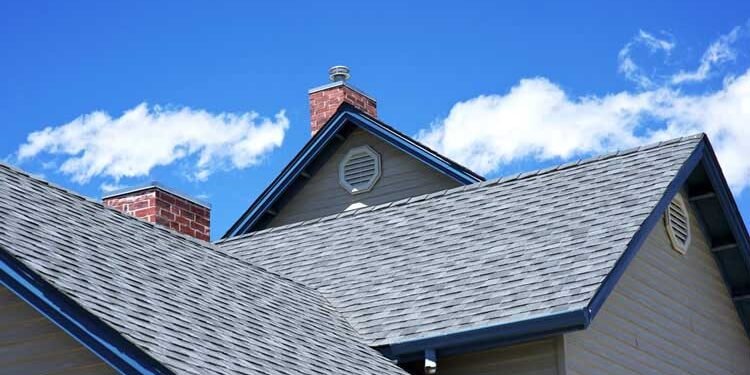
A view of typical vintage house with tile roof
ith marine air, morning fog, and heavy winter rain. Your contractor should talk about drainage, flashing around rooftop units, and how the system will handle standing water. They should also understand California’s Title 24 energy code, which includes cool roof rules for many commercial roof projects. If a contractor has never heard of Title 24, that’s a warning sign.
Step 5: Compare Written Bids the Right Way
Always get at least three written bids. Then compare them line by line, not just by the price at the bottom. A strong bid clearly lists the scope of work, including whether the old roof will be torn off or covered over, the exact materials and brand, insulation, flashing, drainage work, permits, cleanup, and the project timeline.
If one bid is much lower than the others, find out why. Often, a low bid leaves out key steps like proper tear-off or new flashing, and those “savings” turn into leaks later. The payment schedule should also make sense. Payments should follow the work as it’s completed, not come as a large cash payment before anything starts.
The same rule applies to any project on your property. Whether you’re planning roof work or kitchen remodeling for a rental unit, a clear written scope protects both you and the contractor.
Step 6: Understand the Warranty
Commercial roofs usually come with two kinds of warranties. The manufacturer’s warranty covers the roofing materials. The workmanship warranty covers the installation itself and comes from the contractor.
Here’s something many owners don’t know: the strongest manufacturer warranties are often only available when the roof is installed by a certified contractor. Ask each company if they’re certified by the manufacturer of the system they’re proposing. Then ask for the warranty terms in writing. Find out how long each warranty lasts, what it covers, what it doesn’t cover, and whether regular maintenance is required to keep it valid.
Step 7: Check Safety, Permits, and Communication
A professional roofing company follows Cal/OSHA safety rules, including fall protection for workers on the roof. Ask how they keep crews, tenants, customers, and the public safe during the job.
Permits are another key point. Your contractor should pull all required permits from the city and schedule the inspections. If a contractor asks you to skip the permit to save time or money, walk away. Unpermitted roof work can cause problems with insurance claims and future property sales.
Finally, pay attention to communication. Will you have one project manager as your main contact? How will they work around your business hours so customers and tenants aren’t disrupted? A contractor who answers calls quickly and explains things clearly before the job usually does the same during it.
Red Flags to Watch For
Some warning signs are easy to spot once you know them. Be careful with any contractor who shows up uninvited after a storm and pressures you to sign that day. Be careful with anyone who won’t share a license number, insurance papers, or references. A vague one-line bid, a demand for full cash payment up front, or a price far below every other bid are all reasons to pause.
Trust your instincts, too. If a contractor rushes you, dodges your questions, or won’t put promises in writing, that’s how they’re likely to handle problems on your roof.

How Rightway Home Builders Helps Redwood City Property Owners
At Rightway Home Builders, we’ve spent more than 15 years helping property owners across Redwood City and the Bay Area protect and improve their buildings. Our roofing services start with an honest inspection and a clear, written scope, so you know exactly what your roof needs and why.
Many of our clients own more than one kind of property. A business owner who calls us about a roof may also be planning bathroom remodeling for a rental home or new flooring for a tenant space. Others are adding rental income with garage conversions and ADUs, or upgrading outdoor areas with backyard remodeling and hardscaping. Having one trusted team that understands local codes, permits, and Bay Area weather makes every project easier to manage.
Final Thoughts
Choosing a good commercial roofing contractor comes down to a few smart checks. Verify the license on the CSLB website, confirm insurance, look for real commercial experience, and compare detailed written bids instead of just prices. Ask about materials that suit Redwood City’s fog and winter rain, get warranty terms in writing, and make sure permits are handled properly. When you take these steps, you protect your building, your tenants, and your business for years to come.
If you own property in Redwood City or anywhere on the Peninsula and want an honest opinion on your roof, reach out to Rightway Home Builders. We’ll inspect your roof, explain your options in plain language, and help you make a confident decision.